



Clinical Research Snapshot
Palatable Ayurvedic Nutrition for Malnourished Adolescents
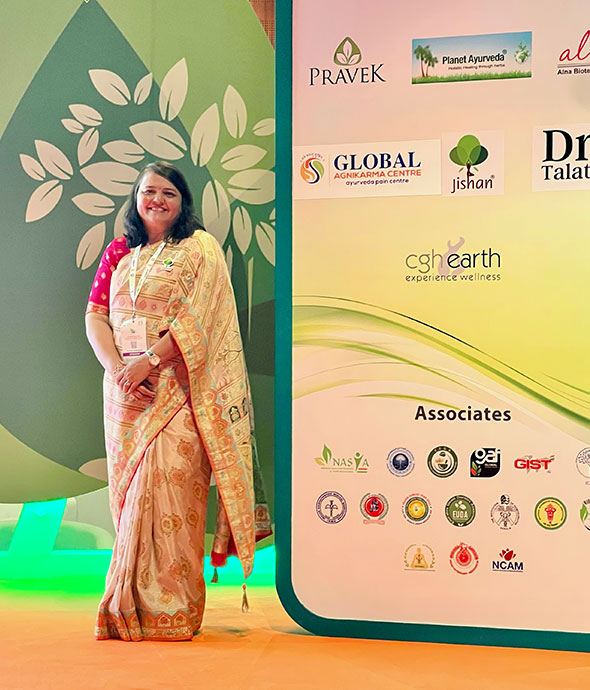
Research Lead: Dr. Payal Ratneshwar
Ayurveda Physician & Preventive Health Researcher
Malnutrition and weak immunity are common challenges among adolescents with chronic illnesses. While many Ayurvedic herbs are known to support digestion, immunity, and tissue nourishment, their bitter taste often reduces acceptance among children and teenagers.
To address this gap, a palatable chocolate-flavoured Ayurvedic formulation (Chocoherb Granules) was developed using classical Rasayana and Balya herbs such as Ashwagandha, Shatavari, Brahmi, and Tulsi.
A 3-month clinical evaluation was conducted among 20 adolescents (age 11–18 years) receiving routine medical care. The formulation was provided as supportive nutritional therapy to assess
improvements in nutritional health and acceptability.
The results showed improvement in nutritional indicators and excellent compliance, largely due to improved taste and ease of consumption.
Key Study Outcomes
| Health Indicator | Before Intervention | After 3 Months | What It Indicates |
|---|---|---|---|
| Average Body Weight | 32.67 kg | 33.15 kg | Healthy weight gain |
| Average Height | 142.75 cm | 143.15 cm | Normal growth trend |
| Average BMI | 17.64 | 17.84 | Improved nutritional status |
| CD4 Immune Marker | 876.50 | 874.95 | Stable immune health |
Why This Research Matters
• Demonstrates how palatable Ayurvedic formulations improve compliance in children
• Shows measurable improvement in nutritional indicators
• Bridges classical Ayurveda with modern formulation science
• Offers potential application in school nutrition programs and community health initiatives
Conclusion
This study highlights the importance of making Ayurvedic formulations child-friendly and palatable. By improving acceptability, herbal nutritional interventions can achieve better adherence and improved health outcomes in adolescents with compromised immunity.